Contents
- Healthcare Infrastructure
- The Three-Tiered Structure of the District
- Medical Education & Research
- Dr. Panjabrao alias Bhausaheb Deshmukh Memorial Medical College
- Age-Old Practices & Remedies
- Shri Gurudeo Ayurved College
- The Babar Plant of Mahimapur
- NGOS & Initiatives
- VISHRAM project
- Graphs
- Healthcare Facilities and Services
- A. Public and Govt-Aided Medical Facilities
- B. Private Healthcare Facilities
- C. Approved vs Working Anganwadi
- D. Anganwadi Building Types
- E. Anganwadi Workers
- F. Patients in In-Patients Department
- G. Patients in Outpatients Department
- H. Outpatient-to-Inpatient Ratio
- I. Patients Treated in Public Facilities
- J. Operations Conducted
- K. Hysterectomies Performed
- L. Share of Households with Access to Health Amenities
- Morbidity and Mortality
- A. Reported Deaths
- B. Cause of Death
- C. Reported Child and Infant Deaths
- D. Reported Infant Deaths
- E. Select Causes of Infant Death
- F. Number of Children Diseased
- G. Population with High Blood Sugar
- H. Population with Very High Blood Sugar
- I. Population with Mildly Elevated Blood Pressure
- J. Population with Moderately or Severely High Hypertension
- K. Women Examined for Cancer
- L. Alcohol and Tobacco Consumption
- Maternal and Newborn Health
- A. Reported Deliveries
- B. Institutional Births: Public vs Private
- C. Home Births: Skilled vs Non-Skilled Attendants
- D. Live Birth Rate
- E. Still Birth Rate
- F. Maternal Deaths
- G. Registered Births
- H. C-section Deliveries: Public vs Private
- I. Institutional Deliveries through C-Section
- J. Deliveries through C-Section: Public vs Private Facilities
- K. Reported Abortions
- L. Medical Terminations of Pregnancy: Public vs Private
- M. MTPs in Public Institutions before and after 12 Weeks
- N. Average Out of Pocket Expenditure per Delivery in Public Health Facilities
- O. Registrations for Antenatal Care
- P. Antenatal Care Registrations Done in First Trimester
- Q. Iron Folic Acid Consumption Among Pregnant Women
- R. Access to Postnatal Care from Health Personnel Within 2 Days of Delivery
- S. Children Breastfed within One Hour of Birth
- T. Children (6-23 months) Receiving an Adequate Diet
- U. Sex Ratio at Birth
- V. Births Registered with Civil Authority
- W. Institutional Deliveries through C-section
- X. C-section Deliveries: Public vs Private
- Family Planning
- A. Population Using Family Planning Methods
- B. Usage Rate of Select Family Planning Methods
- C. Sterilizations Conducted (Public vs Private Facilities)
- D. Vasectomies
- E. Tubectomies
- F. Contraceptives Distributed
- G. IUD Insertions: Public vs Private
- H. Female Sterilization Rate
- I. Women’s Unmet Need for Family Planning
- J. Fertile Couples in Family Welfare Programs
- K. Family Welfare Centers
- L. Progress of Family Welfare Programs
- Immunization
- A. Vaccinations under the Maternal and Childcare Program
- B. Infants Given the Oral Polio Vaccine
- C. Infants Given the Bacillus Calmette Guerin (BCG) Vaccine
- D. Infants Given Hepatitis Vaccine (Birth Dose)
- E. Infants Given the Pentavalent Vaccines
- F. Infants Given the Measles or Measles Rubella Vaccines
- G. Infants Given the Rotavirus Vaccines
- H. Fully Immunized Children
- I. Adverse Effects of Immunization
- J. Percentage of Children Fully Immunized
- K. Vaccination Rate (Children Aged 12 to 23 months)
- L. Children Primarily Vaccinated in (Public vs Private Health Facilities)
- Nutrition
- A. Children with Nutritional Deficits or Excess
- B. Population Overweight or Obese
- C. Population with Low BMI
- D. Prevalence of Anaemia
- E. Moderately Anaemic Women
- F. Women with Severe Anaemia being Treated at an Institution
- G. Malnourishment Among Infants in Anganwadis
- Sources
AMRAVATI
Health
Last updated on 18 October 2026. Help us improve the information on this page by clicking on suggest edits or writing to us.
Amravati’s healthcare landscape, like many other regions across India, is shaped by a mix of indigenous and Western medical practices. For centuries, indigenous knowledge and treatments provided by practitioners such as hakims and vaidyas have formed the foundation of healthcare in the region. Over time, its landscape has gradually evolved with the introduction and expansion of more specialized medical services.
Healthcare Infrastructure
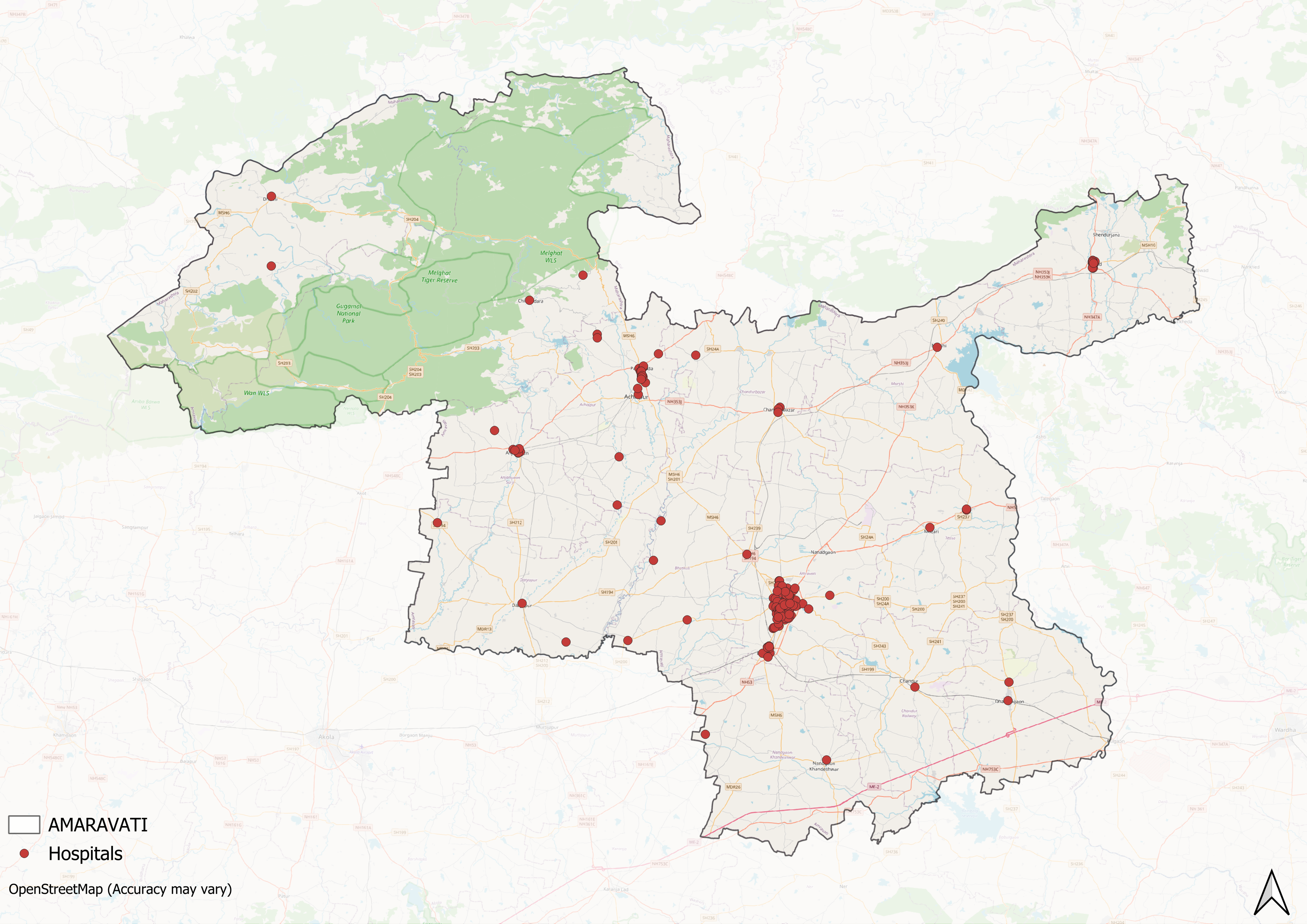
Much like other regions in India, Amravati’s healthcare infrastructure follows a multi-tiered system that involves both public and private sectors. Currently, the public healthcare system is tiered into primary, secondary, and tertiary levels. Primary care is provided through Sub Centres and Primary Health Centres (PHCs), while secondary care is managed by Community Health Centres (CHCs) and Sub-District hospitals. Tertiary care, the highest level, includes Medical Colleges and District Hospitals. This system has been shaped and refined over time, influenced by national healthcare reforms.
The Three-Tiered Structure of the District
Amravati’s formal healthcare infrastructure, like much of India, has its origins in the colonial era, which laid the groundwork for the system in place today. Its healthcare landscape has undergone significant transformation from the early 20th century to the present day. According to the district Gazetteer (1968), by the mid-20th century, Amravati district had around 18 hospitals, one maternity home, and about 18 dispensaries by 1955–56. By 1960–61, this had grown to 19 hospitals, one maternity home, 22 dispensaries, and 11 newly established rural health centres.
While these early facilities laid the foundation for organized medical care, the district’s healthcare landscape gradually evolved with the involvement of community initiatives, trusts, and private actors. From the late 20th century onward, private hospitals began to appear across Amravati, driven by local efforts to bridge gaps in government services and bring specialized care closer to residents.

One significant step in expanding specialized services came in 1987, when Deshmukh Eye Hospital was established to meet essential eye care needs and provide equitable treatment for underserved patients.
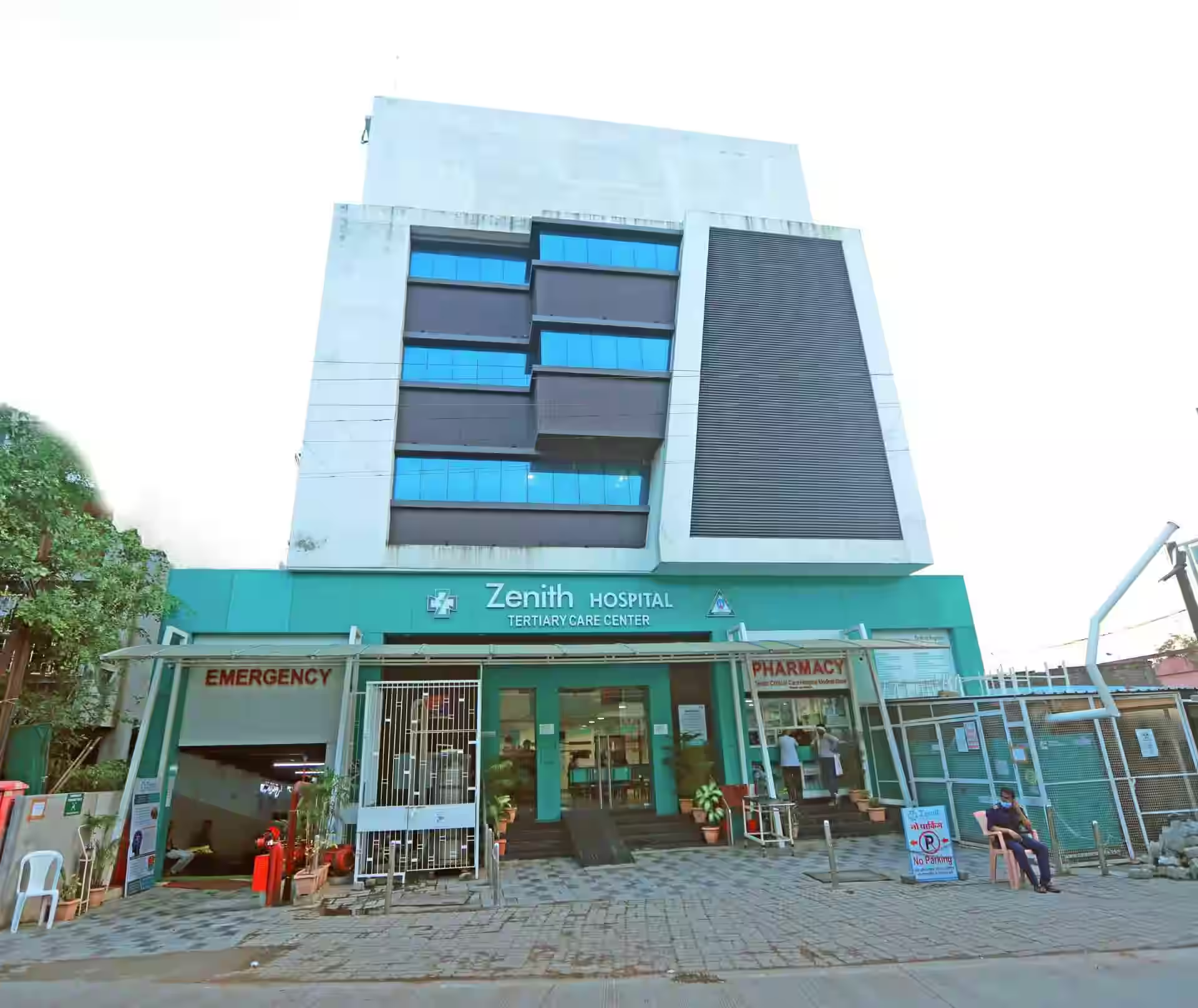
In 2016, Zenith Heart & Multispecialty Hospital was established near the Walcut Compound and has since emerged as a major centre for cardiology in the Amravati region. Notably, it was the first hospital in the district to install a cardiac catheterization lab, which marked a major step forward in the local capacity for advanced cardiac care here.
Despite these advances, however, similar to broader patterns that can be seen across India, the district’s healthcare infrastructure has developed unevenly across geographic lines. While urban areas experienced substantial growth in private healthcare facilities, rural regions remained predominantly served by government-run hospitals, with fewer private facilities.
Medical Education & Research
Medical education and research are foundational to a district’s healthcare infrastructure. As Mathew Gerge aptly highlights, medical institutions often serve a “dual purpose,” which includes educating future healthcare professionals and providing healthcare services to the local population. In Amravati, this link has grown gradually over the decades, supported mainly by private and government-aided institutions.
Dr. Panjabrao alias Bhausaheb Deshmukh Memorial Medical College
The Dr. Panjabrao alias Bhausaheb Deshmukh Memorial Medical College is a well-known medical college located in Amravati, which was established in 1986. The college is affiliated with the Maharashtra University of Health Sciences and offers a Bachelor of Medicine, Bachelor of Surgery (MBBS) program and postgraduate programs across multiple medical specialties.
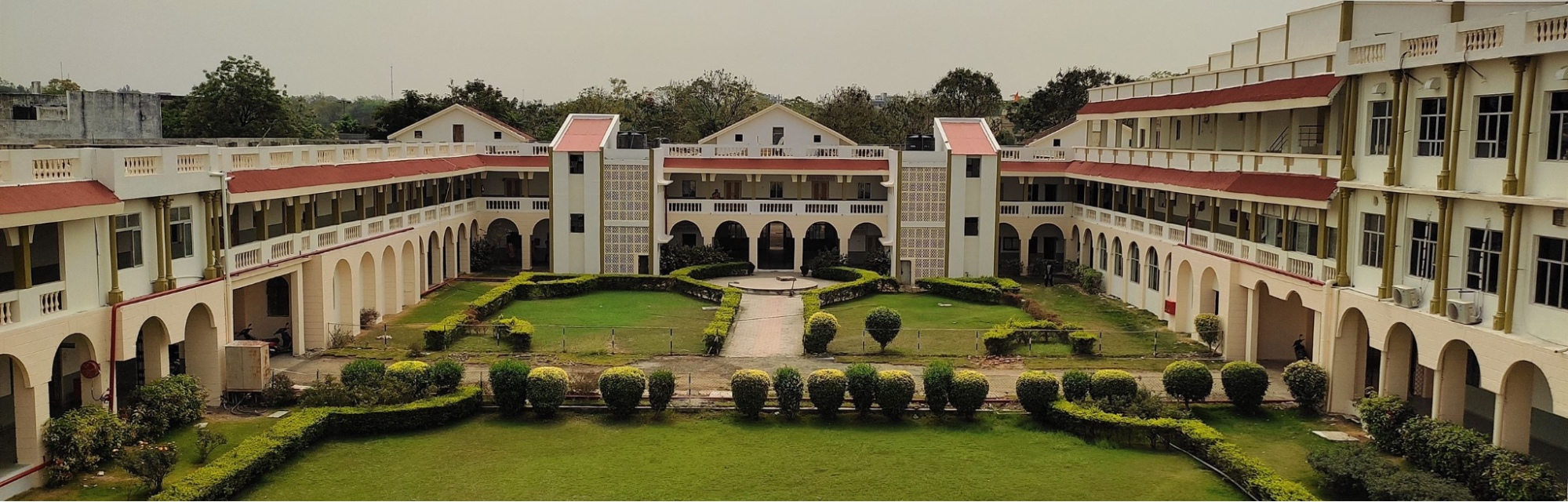
It is linked with the Dr. Panjabrao Deshmukh Hospital & Research Centre, which was set up in 1992 as a teaching hospital and research facility. The hospital provides clinical training for students and practical exposure to diverse healthcare services. According to the institution’s website, the hospital has 830 beds with 28 indoor wards, an outpatient department (OPD), and 24/7 emergency services. In 2006, the institution received ISO certification in recognition of its commitment to maintaining quality standards in education and patient care.
Age-Old Practices & Remedies
Historically, before the advent of Western health care systems or the three-tiered healthcare infrastructure that exists today, people in the district relied on and made use of indigenous knowledge and medicine for their well-being. When it comes to healthcare, India, for long, has been characterized by a pluralistic health tradition. Among the many medicine systems that have a long history in India and Amravati, as locals say, are Ayurveda and Unani.
Shri Gurudeo Ayurved College
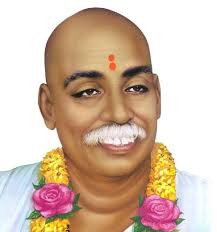
One of the most notable institutions tied to this in the district is the Shri Gurudeo Ayurved College. The college was founded in 1944 by Sant Rashtrasant Tukdoji Maharaj, who was known for his work in rural reform, social development, and community education. His aim in setting up the college was to advance Ayurvedic education and promote the practice of Indian systems of medicine in Amravati and the wider Vidarbha region. The college was formally registered with the government in 1959 and has since remained one of the oldest Ayurvedic institutions in the district.
The establishment of the institutions are fascinating and significant for several reasons. Firstly, they offer a glimpse into the local history and figures involved with Ayurveda in the district. Secondly, this development, occurring during the colonial period, offers valuable insight into local efforts to formalize and preserve Ayurvedic practice; and is particularly notable given the political context of the time. Thirdly, at a time when Western medicine was gaining prominence, it shows how local communities actively preserved and formalized their indigenous medical traditions.
This institutionalization of Ayurvedic knowledge represents one facet of Amravati’s medical heritage. However, besides formal institutions, one of the significant yet frequently overlooked aspects of healthcare traditions includes the role of age-old practices and home-based remedies. In India, as many say, indigenous knowledge and household remedies have for long formed the basis of many family healthcare practices. These local remedies and healing methods have persisted through time through intergenerational transmission.
The Babar Plant of Mahimapur
Mahimapur of the Daryapur taluka of Amravati is home to an ancient stepwell whose origins are believed to date back to during the rule of the Yadavas. For a long time, it had been a vital part of the district’s water harvesting system, serving as an essential source of water storage before being damaged and falling into dilapidation.
Historically, locals say that a plant that they called Babar, which is similar in its looks to a moss, grew in the stepwell. It was revered by locals for its therapeutic qualities and they would use water from wells containing Babar to treat ailments like diarrhea and malaria.

However, with the advent of a water supply scheme that provided treated water to seven surrounding villages, Mahimapur, Mirzapur, Digi, Jahagpur, Vadoora, Uprai, and Takarkheda, the use of bleaching powder to purify water led to the gradual destruction of the Babar plant. Over the past six years, the well that once held this medicinal water has dried up, due to and this practice has faded away.
NGOS & Initiatives
The determinants of health and health outcomes, as the World Health Organization (WHO) elaborates, are not solely shaped by more than just medical factors and healthcare services. The organization uses the term “social determinants of health (SDH)” to refer to the “non-medical factors that influence health outcomes.” These non-medical factors can be sanitation, nutrition, community well-being, or, as the WHO outlines, “income and social protection,” “food security,” access to quality healthcare, and more.
While there have been ongoing efforts to strengthen the Amravati district’s healthcare infrastructure, certain areas still face challenges, particularly in addressing these broader health determinants. In response, non-governmental organizations have emerged as vital partners, working alongside public health systems to develop innovative, grassroots-level approaches that bridge these gaps.
VISHRAM project
The VISHRAM Project (Vidarbha Stress and Health Programme) is a community-based mental health initiative implemented in the Amravati district. It was initiated in response to concerns about mental health issues and rising suicide rates in the rural areas of the Vidarbha region, particularly among farming communities.
The project was initiated by the non-governmental organizations Prakriti and Sangath, to address mental health needs at the community level. In 2016, before implementation, a baseline survey was conducted in villages selected for intervention. The survey found that approximately 14.6% of individuals in these villages were experiencing symptoms of depression. These findings informed the project’s design and emphasized the need for accessible, locally delivered mental health services.
Based on the survey results, the VISHRAM Project was launched in 30 villages across the Amravati district. Its primary objectives are to increase awareness of mental health conditions, reduce stigma, promote help-seeking behavior, and improve access to evidence-based interventions for depression and alcohol-use disorders.
The intervention model uses community-based health workers and non-specialist counselors, who are trained to identify symptoms and provide basic support. These workers operate in coordination with general physicians and psychiatrists in nearby healthcare facilities, forming a collaborative care network. Additionally, mental health services are delivered through existing public health infrastructure to enable integration with broader health initiatives.
Graphs
Please Note
- Some line graphs may start a few years before the data begins. We are fixing this.
- All data comes in financial years, but is graphed below in calendar years (2015 in our graph means FY 2015-16).
- The District Statistical Abstracts are in Marathi. Translations were done carefully, but some titles or details may differ. There may be some data entry errors. Please report any issues you find.
- Sometimes districts without data may show empty graphs. We've removed them but let us know if any remain.
- Some graphs may not render correctly. A hard refresh (Ctrl/Command +Shift +R) usually fixes this.
Healthcare Facilities and Services
A. Public and Govt-Aided Medical Facilities
Loading chart data...
B. Private Healthcare Facilities
Loading chart data...
C. Approved vs Working Anganwadi
Loading chart data...
D. Anganwadi Building Types
Loading chart data...
E. Anganwadi Workers
Loading chart data...
F. Patients in In-Patients Department
Loading chart data...
G. Patients in Outpatients Department
Loading chart data...
H. Outpatient-to-Inpatient Ratio
Loading chart data...
I. Patients Treated in Public Facilities
Loading chart data...
J. Operations Conducted
Loading chart data...
K. Hysterectomies Performed
Loading chart data...
L. Share of Households with Access to Health Amenities
Loading chart data...
Morbidity and Mortality
A. Reported Deaths
Loading chart data...
B. Cause of Death
Loading chart data...
C. Reported Child and Infant Deaths
Loading chart data...
D. Reported Infant Deaths
Loading chart data...
E. Select Causes of Infant Death
Loading chart data...
F. Number of Children Diseased
Loading chart data...
G. Population with High Blood Sugar
Loading chart data...
H. Population with Very High Blood Sugar
Loading chart data...
I. Population with Mildly Elevated Blood Pressure
Loading chart data...
J. Population with Moderately or Severely High Hypertension
Loading chart data...
K. Women Examined for Cancer
Loading chart data...
L. Alcohol and Tobacco Consumption
Loading chart data...
Maternal and Newborn Health
A. Reported Deliveries
Loading chart data...
B. Institutional Births: Public vs Private
Loading chart data...
C. Home Births: Skilled vs Non-Skilled Attendants
Loading chart data...
D. Live Birth Rate
Loading chart data...
E. Still Birth Rate
Loading chart data...
F. Maternal Deaths
Loading chart data...
G. Registered Births
Loading chart data...
H. C-section Deliveries: Public vs Private
Loading chart data...
I. Institutional Deliveries through C-Section
Loading chart data...
J. Deliveries through C-Section: Public vs Private Facilities
Loading chart data...
K. Reported Abortions
Loading chart data...
L. Medical Terminations of Pregnancy: Public vs Private
Loading chart data...
M. MTPs in Public Institutions before and after 12 Weeks
Loading chart data...
N. Average Out of Pocket Expenditure per Delivery in Public Health Facilities
Loading chart data...
O. Registrations for Antenatal Care
Loading chart data...
P. Antenatal Care Registrations Done in First Trimester
Loading chart data...
Q. Iron Folic Acid Consumption Among Pregnant Women
Loading chart data...
R. Access to Postnatal Care from Health Personnel Within 2 Days of Delivery
Loading chart data...
S. Children Breastfed within One Hour of Birth
Loading chart data...
T. Children (6-23 months) Receiving an Adequate Diet
Loading chart data...
U. Sex Ratio at Birth
Loading chart data...
V. Births Registered with Civil Authority
Loading chart data...
W. Institutional Deliveries through C-section
Loading chart data...
X. C-section Deliveries: Public vs Private
Loading chart data...
Family Planning
A. Population Using Family Planning Methods
Loading chart data...
B. Usage Rate of Select Family Planning Methods
Loading chart data...
C. Sterilizations Conducted (Public vs Private Facilities)
Loading chart data...
D. Vasectomies
Loading chart data...
E. Tubectomies
Loading chart data...
F. Contraceptives Distributed
Loading chart data...
G. IUD Insertions: Public vs Private
Loading chart data...
H. Female Sterilization Rate
Loading chart data...
I. Women’s Unmet Need for Family Planning
Loading chart data...
J. Fertile Couples in Family Welfare Programs
Loading chart data...
K. Family Welfare Centers
Loading chart data...
L. Progress of Family Welfare Programs
Loading chart data...
Immunization
A. Vaccinations under the Maternal and Childcare Program
Loading chart data...
B. Infants Given the Oral Polio Vaccine
Loading chart data...
C. Infants Given the Bacillus Calmette Guerin (BCG) Vaccine
Loading chart data...
D. Infants Given Hepatitis Vaccine (Birth Dose)
Loading chart data...
E. Infants Given the Pentavalent Vaccines
Loading chart data...
F. Infants Given the Measles or Measles Rubella Vaccines
Loading chart data...
G. Infants Given the Rotavirus Vaccines
Loading chart data...
H. Fully Immunized Children
Loading chart data...
I. Adverse Effects of Immunization
Loading chart data...
J. Percentage of Children Fully Immunized
Loading chart data...
K. Vaccination Rate (Children Aged 12 to 23 months)
Loading chart data...
L. Children Primarily Vaccinated in (Public vs Private Health Facilities)
Loading chart data...
Nutrition
A. Children with Nutritional Deficits or Excess
Loading chart data...
B. Population Overweight or Obese
Loading chart data...
C. Population with Low BMI
Loading chart data...
D. Prevalence of Anaemia
Loading chart data...
E. Moderately Anaemic Women
Loading chart data...
F. Women with Severe Anaemia being Treated at an Institution
Loading chart data...
G. Malnourishment Among Infants in Anganwadis
Loading chart data...
Sources
Anuradha Mascarenhas. 2016. "14.6% People Suffer from Depression in Amravati Villages: Vishram Survey." The Indian Express.https://indianexpress.com/article/cities/pun…
Deshmukh Eye Hospital. n.d. "About Deshmukh Eye Hospital." Deshmukh Eye Hospital, Amravati.https://www.deshmukheyehospital.com/index.ph…
Gazetteer Department, Government of Maharashtra. 1968. Amravati District Gazetteer. Directorate of Government Print, Stationery and Publications, Maharashtra State.
George, Mathew. 2023. "The Real Purpose of the Medical College." The Hindu, Place.https://www.thehindu.com/opinion/op-ed/the-r…
https://pmc.ncbi.nlm.nih.gov/articles/PMC5144115/
M Choksi, B. Patil et al. 2016.Health systems in India.Vol 36 (Suppl 3).Journal of Perinatology.
PDMMC (Dr. Panjabrao Deshmukh Memorial Medical College). "Vision & Mission." PDMMC, Amravati.https://www.pdmmc.edu.in/pages/vision_missio…
PDMMC (Dr. Panjabrao Deshmukh Memorial Medical College). "Achievements." PDMMC, Amravati.https://www.pdmmc.edu.in/pdf/Achievement.pdf
R. Shidhaye, V. Murhar, S. Gangale, L. Aldridge, R. Shastri, R. Parikh,et al.2017. The effect of VISHRAM, a grass-roots community-based mental health programme, on the treatment gap for depression in rural communities in India: a population-based study. Vol. 4, no 2.The Lancet Psychiatry.https://www.thelancet.com/journals/lanpsy/ar…
Shri Gajanan Ayurved College. About College.https://sgayurvedcollege.com/SGAyurved/php_w…
Zenith Hospital. n.d. Zenith Hospital Website.https://zenithhospital.org.in/
Last updated on 18 October 2026. Help us improve the information on this page by clicking on suggest edits or writing to us.