Contents
- Healthcare Infrastructure
- Three Tiered Structure in the District
- Age-Old Practices & Remedies
- Tabashir
- Yeoor Hills
- Graphs
- Healthcare Facilities and Services
- A. Public and Govt-Aided Medical Facilities
- B. Private Healthcare Facilities
- C. Approved vs Working Anganwadi
- D. Anganwadi Building Types
- E. Anganwadi Workers
- F. Patients in In-Patients Department
- G. Patients in Outpatients Department
- H. Outpatient-to-Inpatient Ratio
- I. Patients Treated in Public Facilities
- J. Operations Conducted
- K. Hysterectomies Performed
- L. Share of Households with Access to Health Amenities
- Morbidity and Mortality
- A. Reported Deaths
- B. Cause of Death
- C. Reported Child and Infant Deaths
- D. Reported Infant Deaths
- E. Select Causes of Infant Death
- F. Number of Children Diseased
- G. Population with High Blood Sugar
- H. Population with Very High Blood Sugar
- I. Population with Mildly Elevated Blood Pressure
- J. Population with Moderately or Severely High Hypertension
- K. Women Examined for Cancer
- L. Alcohol and Tobacco Consumption
- Maternal and Newborn Health
- A. Reported Deliveries
- B. Institutional Births: Public vs Private
- C. Home Births: Skilled vs Non-Skilled Attendants
- D. Live Birth Rate
- E. Still Birth Rate
- F. Maternal Deaths
- G. Registered Births
- H. C-section Deliveries: Public vs Private
- I. Institutional Deliveries through C-Section
- J. Deliveries through C-Section: Public vs Private Facilities
- K. Reported Abortions
- L. Medical Terminations of Pregnancy: Public vs Private
- M. MTPs in Public Institutions before and after 12 Weeks
- N. Average Out of Pocket Expenditure per Delivery in Public Health Facilities
- O. Registrations for Antenatal Care
- P. Antenatal Care Registrations Done in First Trimester
- Q. Iron Folic Acid Consumption Among Pregnant Women
- R. Access to Postnatal Care from Health Personnel Within 2 Days of Delivery
- S. Children Breastfed within One Hour of Birth
- T. Children (6-23 months) Receiving an Adequate Diet
- U. Sex Ratio at Birth
- V. Births Registered with Civil Authority
- W. Institutional Deliveries through C-section
- X. C-section Deliveries: Public vs Private
- Family Planning
- A. Population Using Family Planning Methods
- B. Usage Rate of Select Family Planning Methods
- C. Sterilizations Conducted (Public vs Private Facilities)
- D. Vasectomies
- E. Tubectomies
- F. Contraceptives Distributed
- G. IUD Insertions: Public vs Private
- H. Female Sterilization Rate
- I. Women’s Unmet Need for Family Planning
- J. Fertile Couples in Family Welfare Programs
- K. Family Welfare Centers
- L. Progress of Family Welfare Programs
- Immunization
- A. Vaccinations under the Maternal and Childcare Program
- B. Infants Given the Oral Polio Vaccine
- C. Infants Given the Bacillus Calmette Guerin (BCG) Vaccine
- D. Infants Given Hepatitis Vaccine (Birth Dose)
- E. Infants Given the Pentavalent Vaccines
- F. Infants Given the Measles or Measles Rubella Vaccines
- G. Infants Given the Rotavirus Vaccines
- H. Fully Immunized Children
- I. Adverse Effects of Immunization
- J. Percentage of Children Fully Immunized
- K. Vaccination Rate (Children Aged 12 to 23 months)
- L. Children Primarily Vaccinated in (Public vs Private Health Facilities)
- Nutrition
- A. Children with Nutritional Deficits or Excess
- B. Population Overweight or Obese
- C. Population with Low BMI
- D. Prevalence of Anaemia
- E. Moderately Anaemic Women
- F. Women with Severe Anaemia being Treated at an Institution
- G. Malnourishment Among Infants in Anganwadis
- Sources
THANE
Health
Last updated on 19 October 2026. Help us improve the information on this page by clicking on suggest edits or writing to us.
Thane’s healthcare landscape, like many other regions across India, is shaped by a blend of indigenous and Western medical practices. For centuries, local communities have relied on traditional healers and indigenous knowledge to address health needs, drawing heavily on the district’s rich natural resources such as the forests of Yeoor. Notably, Thane’s medical heritage holds a significant connection to the historic trade of tabashir (Tvaksheera), a prized bamboo extract once exported by Arab traders and referenced in ancient medical texts for its wide use in Ayurveda and Unani systems.
Much of Thane’s formal healthcare infrastructure began to take shape under colonial rule, marked by early institutions such as the Thana Civil Hospital, established in 1836, and the Rustomji Wadia Clinic, which opened in 1865 to address widespread health issues of the time. The district’s history also includes significant contributions to mental health care, with the establishment of the Regional Mental Hospital in 1901, one of the oldest mental health institutions in Maharashtra. Over the years, the region has witnessed several significant developments in healthcare delivery.
Healthcare Infrastructure
Similar to other regions in India, Thane’s healthcare infrastructure follows a multi-tiered system that involves both public and private sectors. The public healthcare system is structured into primary, secondary, and tertiary levels. Primary care is provided through Sub Centres and Primary Health Centres (PHCs), secondary care is managed by Community Health Centres (CHCs), and Sub-District hospitals, while tertiary care, the highest level, is delivered through Medical Colleges and District Hospitals.
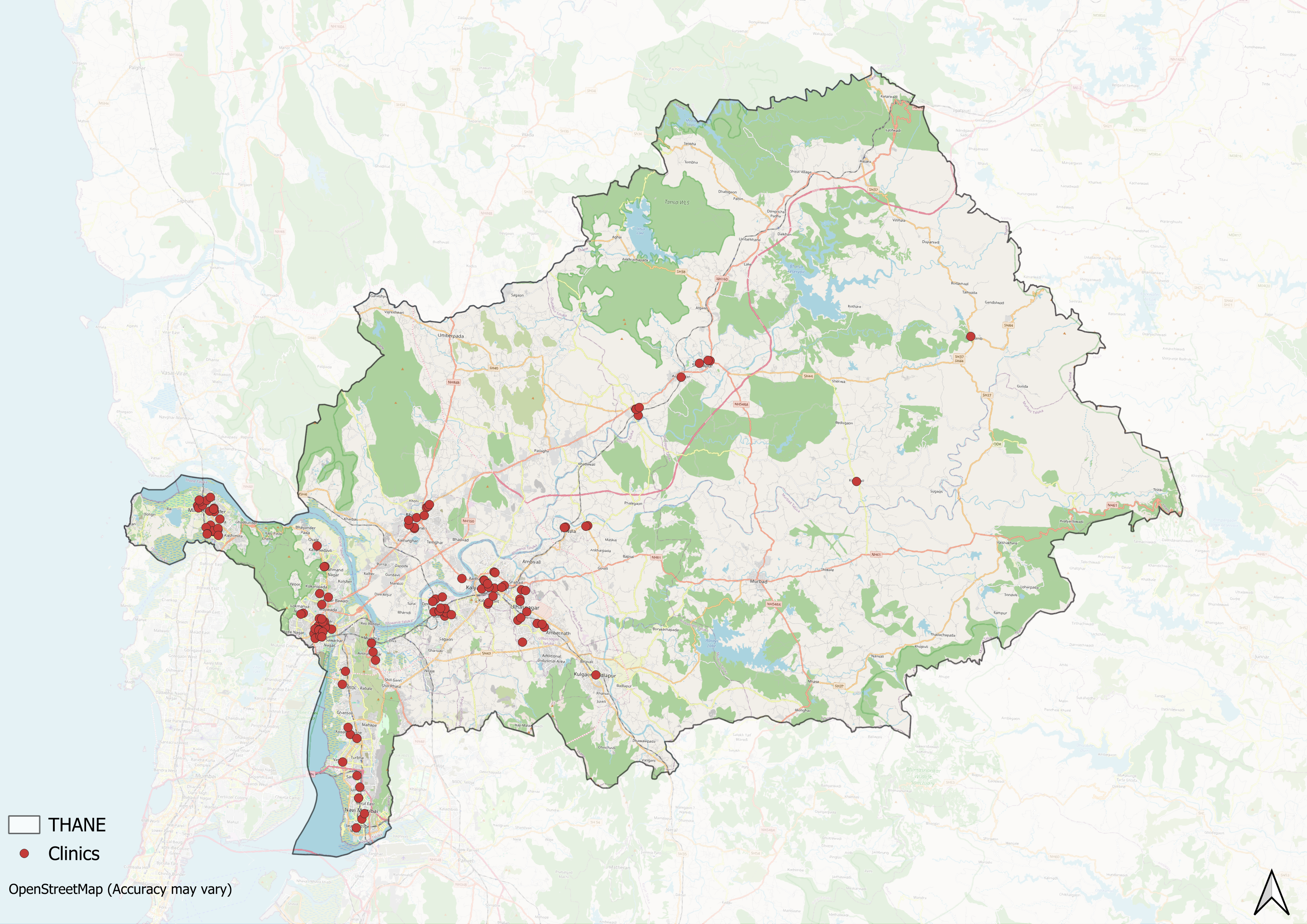
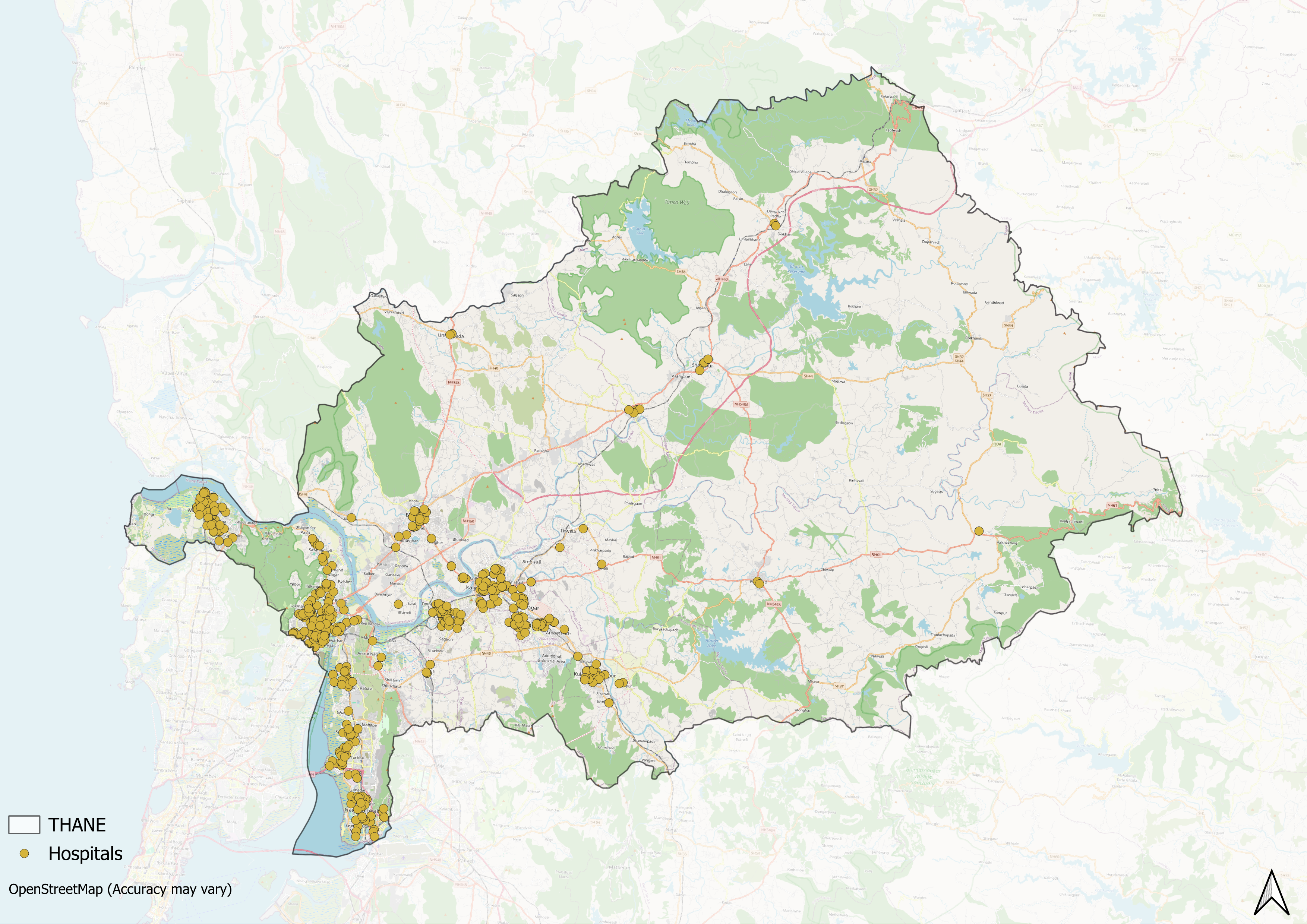
Supporting this structure is a network of Accredited Social Health Activists (ASHAs) who, as described by the National Health Mission, serve as “an interface between the community and the public health system.” Over time, this multi-layered healthcare model has been continuously shaped and refined by national healthcare policies and reforms to improve universal health coverage across regions.
Three Tiered Structure in the District
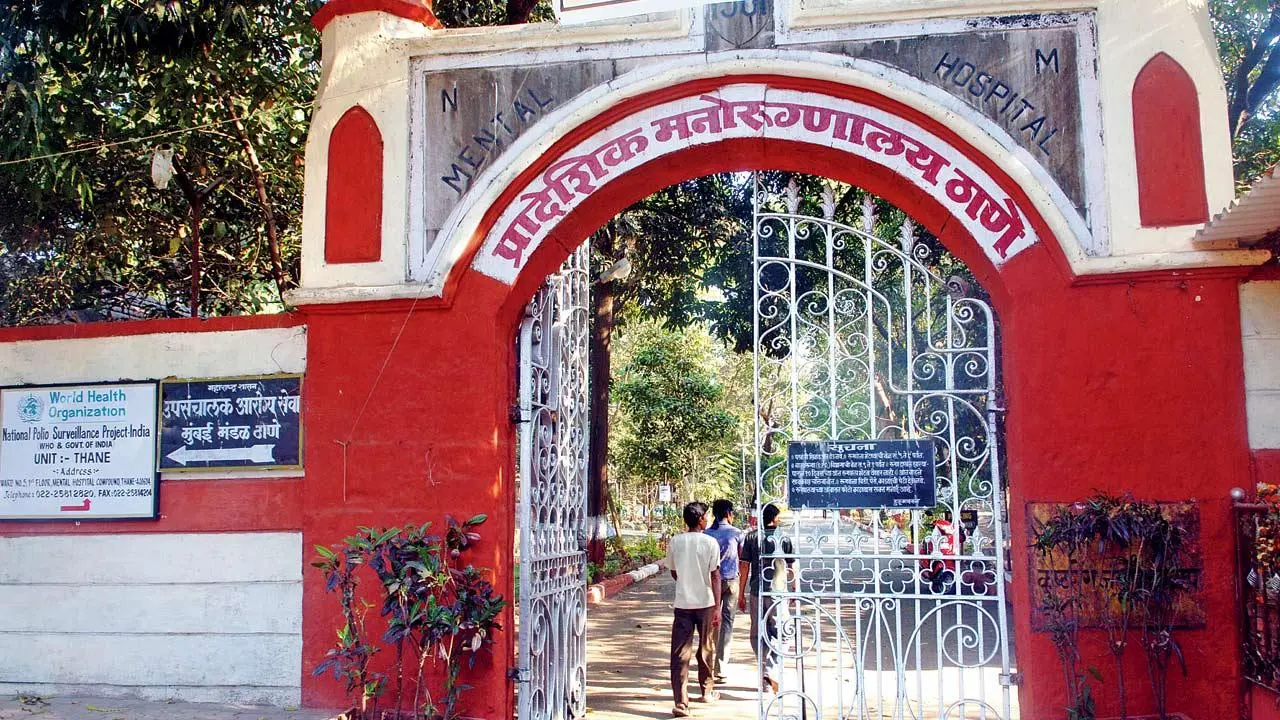
The district’s formal healthcare network can be traced back to the colonial period. One of the earliest recorded facilities was the Thane Civil Hospital, which opened its doors in 1836 to provide organised medical care to a growing settlement. By the mid-19th century, further steps were taken to address common diseases of the region when the Rustomji Wadia Clinic began operating in 1865. This clinic focused on ailments such as malaria, respiratory infections, and intestinal complaints, which were widespread at the time.
Philanthropic support played an important role in expanding local healthcare. The Rukmanibai Dispensary at Kalyan was founded through the efforts of Sir Mangaldas Nathubhai, a notable local benefactor. It formed part of a network of twelve other dispensaries that gradually came up across the district. These early centres were maintained through a mix of local donations, private endowments, and government grants, reflecting how community contributions complemented the limited colonial framework.
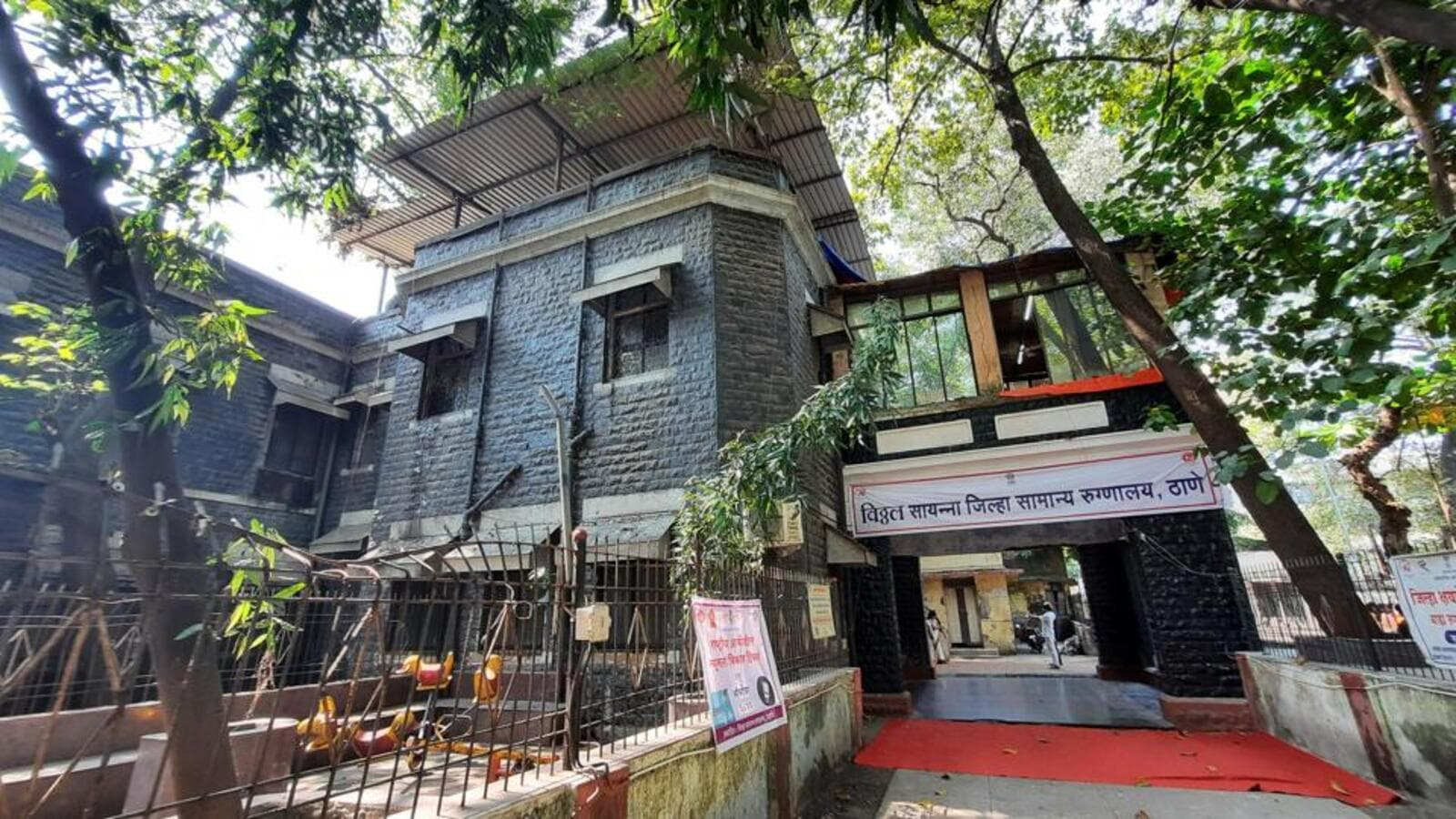
Thane District holds a very significant place in the state’s mental health landscape. The Regional Mental Hospital, established in 1901, was one of the few facilities in Maharashtra dedicated entirely to mental healthcare when it opened. Spread over seventy-two acres, it continues to serve patients from within and beyond the district. Over the decades, reports have pointed to challenges related to infrastructure and patient care, shaped in part by the enduring stigma surrounding mental illness.
In recent decades, Thane has seen steady growth in its network of private hospitals and specialist clinics. Urban areas within the district have become important centres for both general and specialised care. Among them, Thane Health Care Hospital, which began operations twenty-one years ago through the initiative of local doctors, follows an approach that places emphasis on treating patients holistically.
Jupiter Hospital, established in 2007, is a tertiary and quaternary care facility and houses what is described as Asia’s largest neuro-rehabilitation centre.
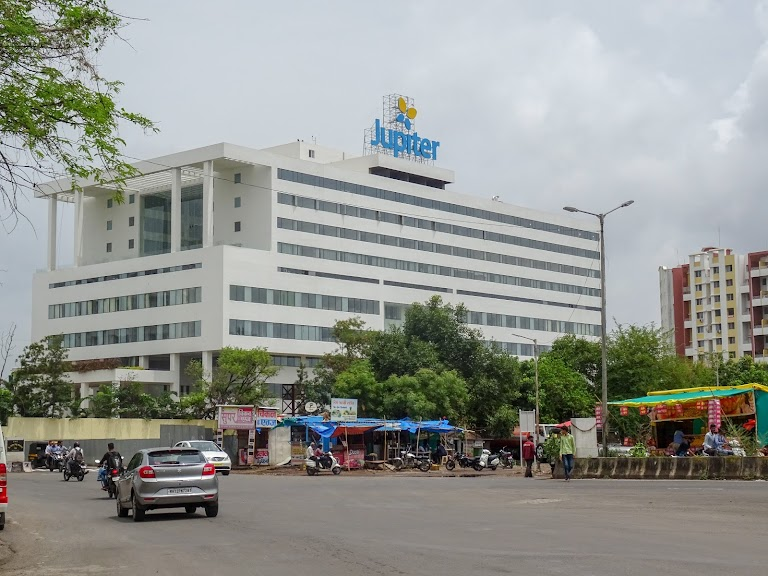
Vedant Kalyan Hospital, one of the major private hospitals in Kalyan, offers a wide range of multi-specialty services and caters to patients from nearby towns as well.
Alongside larger hospitals, the district is home to numerous smaller clinics covering areas such as dental care, eye treatment, and dermatology. Many of these clinics are equipped with diagnostic facilities for blood tests, X-rays, and other routine procedures, making basic healthcare more accessible to local communities.
However, similar to patterns seen in other parts of India, Thane’s healthcare facilities are distributed unevenly across the district. While towns such as Thane, Ulhasnagar, Vashi, and Kalyan have a good spread of hospitals and clinics, locals remark on how regions like Bhiwandi continue to experience gaps in access, pointing to the ongoing need to strengthen services across all parts of the district.
Age-Old Practices & Remedies
Historically, before the advent of Western health care systems or the three-tiered healthcare infrastructure that exists today, people in the district relied on and made use of indigenous knowledge and medicine for their well-being. When it comes to healthcare, India, for long, has been characterized by a pluralistic health tradition. Among the many medicine systems that have a long history in India and in Thane, as locals say, are Ayurveda, Unani, and local knowledge systems.
Tabashir
In the field of medicine, Thane holds a distinct place as a source of tabashir, a translucent substance collected from the inner joints of certain bamboo species. Once traded widely by Arab merchants, tabashir reached distant markets across Asia and beyond, and was noted by Pedanius Dioscorides, the Greek pharmacologist practising in Rome during the 1st century CE. It continued to draw scholarly attention centuries later, appearing in A Dictionary of Economic Products of India (1885) by Edgar Thurston and George Watt.
Reports indicate that tabashir remains a valued ingredient in traditional Ayurvedic and Unani medicine. The Bombay Gazetteer (1882) records that it is derived from the inner rind of bamboo, while Thurston and Watt described its reputed qualities as an antipyretic, antispasmodic, and restorative substance. In Sanskrit, it is referred to as Tvaksheera (त्वक्षीर), meaning “bark milk,” and is also known by names such as bamboo sugar (vans-sharkar) and bamboo camphor (vans karpoor), each highlighting aspects of this unusual material.
Yeoor Hills
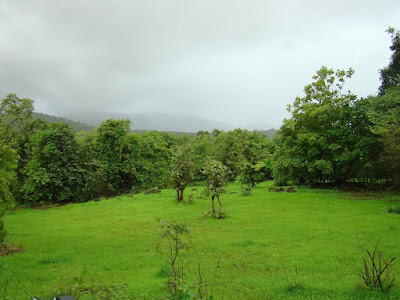
The Yeoor Hills, which form part of the Sanjay Gandhi National Park’s forested expanse, are home to indigenous communities such as the Warli, Kokna, and Katkari, who are well regarded for their deep knowledge of local plants and their uses in everyday health. Among the species commonly gathered in these forests, the Bidi leaf tree (Bauhinia racemosa) is valued for its application in treating skin conditions and digestive troubles. The Semal tree (Bombax ceiba) is used to help heal wounds and ease respiratory ailments, while the bright Palash flowers (Butea monosperma) are known for their cleansing qualities and are often prepared as remedies to reduce inflammation.
Graphs
Please Note
- Some line graphs may start a few years before the data begins. We are fixing this.
- All data comes in financial years, but is graphed below in calendar years (2015 in our graph means FY 2015-16).
- The District Statistical Abstracts are in Marathi. Translations were done carefully, but some titles or details may differ. There may be some data entry errors. Please report any issues you find.
- Sometimes districts without data may show empty graphs. We've removed them but let us know if any remain.
- Some graphs may not render correctly. A hard refresh (Ctrl/Command +Shift +R) usually fixes this.
- Thane district was split in 2014 to form the new districts of Thane and Palghar. We’ve accounted for this while graphing, but some errors may remain. Please flag any you spot.
Healthcare Facilities and Services
A. Public and Govt-Aided Medical Facilities
Loading chart data...
B. Private Healthcare Facilities
Loading chart data...
C. Approved vs Working Anganwadi
Loading chart data...
D. Anganwadi Building Types
Loading chart data...
E. Anganwadi Workers
Loading chart data...
F. Patients in In-Patients Department
Loading chart data...
G. Patients in Outpatients Department
Loading chart data...
H. Outpatient-to-Inpatient Ratio
Loading chart data...
I. Patients Treated in Public Facilities
Loading chart data...
J. Operations Conducted
Loading chart data...
K. Hysterectomies Performed
Loading chart data...
L. Share of Households with Access to Health Amenities
Loading chart data...
Morbidity and Mortality
A. Reported Deaths
Loading chart data...
B. Cause of Death
Loading chart data...
C. Reported Child and Infant Deaths
Loading chart data...
D. Reported Infant Deaths
Loading chart data...
E. Select Causes of Infant Death
Loading chart data...
F. Number of Children Diseased
Loading chart data...
G. Population with High Blood Sugar
Loading chart data...
H. Population with Very High Blood Sugar
Loading chart data...
I. Population with Mildly Elevated Blood Pressure
Loading chart data...
J. Population with Moderately or Severely High Hypertension
Loading chart data...
K. Women Examined for Cancer
Loading chart data...
L. Alcohol and Tobacco Consumption
Loading chart data...
Maternal and Newborn Health
A. Reported Deliveries
Loading chart data...
B. Institutional Births: Public vs Private
Loading chart data...
C. Home Births: Skilled vs Non-Skilled Attendants
Loading chart data...
D. Live Birth Rate
Loading chart data...
E. Still Birth Rate
Loading chart data...
F. Maternal Deaths
Loading chart data...
G. Registered Births
Loading chart data...
H. C-section Deliveries: Public vs Private
Loading chart data...
I. Institutional Deliveries through C-Section
Loading chart data...
J. Deliveries through C-Section: Public vs Private Facilities
Loading chart data...
K. Reported Abortions
Loading chart data...
L. Medical Terminations of Pregnancy: Public vs Private
Loading chart data...
M. MTPs in Public Institutions before and after 12 Weeks
Loading chart data...
N. Average Out of Pocket Expenditure per Delivery in Public Health Facilities
Loading chart data...
O. Registrations for Antenatal Care
Loading chart data...
P. Antenatal Care Registrations Done in First Trimester
Loading chart data...
Q. Iron Folic Acid Consumption Among Pregnant Women
Loading chart data...
R. Access to Postnatal Care from Health Personnel Within 2 Days of Delivery
Loading chart data...
S. Children Breastfed within One Hour of Birth
Loading chart data...
T. Children (6-23 months) Receiving an Adequate Diet
Loading chart data...
U. Sex Ratio at Birth
Loading chart data...
V. Births Registered with Civil Authority
Loading chart data...
W. Institutional Deliveries through C-section
Loading chart data...
X. C-section Deliveries: Public vs Private
Loading chart data...
Family Planning
A. Population Using Family Planning Methods
Loading chart data...
B. Usage Rate of Select Family Planning Methods
Loading chart data...
C. Sterilizations Conducted (Public vs Private Facilities)
Loading chart data...
D. Vasectomies
Loading chart data...
E. Tubectomies
Loading chart data...
F. Contraceptives Distributed
Loading chart data...
G. IUD Insertions: Public vs Private
Loading chart data...
H. Female Sterilization Rate
Loading chart data...
I. Women’s Unmet Need for Family Planning
Loading chart data...
J. Fertile Couples in Family Welfare Programs
Loading chart data...
K. Family Welfare Centers
Loading chart data...
L. Progress of Family Welfare Programs
Loading chart data...
Immunization
A. Vaccinations under the Maternal and Childcare Program
Loading chart data...
B. Infants Given the Oral Polio Vaccine
Loading chart data...
C. Infants Given the Bacillus Calmette Guerin (BCG) Vaccine
Loading chart data...
D. Infants Given Hepatitis Vaccine (Birth Dose)
Loading chart data...
E. Infants Given the Pentavalent Vaccines
Loading chart data...
F. Infants Given the Measles or Measles Rubella Vaccines
Loading chart data...
G. Infants Given the Rotavirus Vaccines
Loading chart data...
H. Fully Immunized Children
Loading chart data...
I. Adverse Effects of Immunization
Loading chart data...
J. Percentage of Children Fully Immunized
Loading chart data...
K. Vaccination Rate (Children Aged 12 to 23 months)
Loading chart data...
L. Children Primarily Vaccinated in (Public vs Private Health Facilities)
Loading chart data...
Nutrition
A. Children with Nutritional Deficits or Excess
Loading chart data...
B. Population Overweight or Obese
Loading chart data...
C. Population with Low BMI
Loading chart data...
D. Prevalence of Anaemia
Loading chart data...
E. Moderately Anaemic Women
Loading chart data...
F. Women with Severe Anaemia being Treated at an Institution
Loading chart data...
G. Malnourishment Among Infants in Anganwadis
Loading chart data...
Sources
Ashwamedh Foundation. "Our Work in Healthcare." Ashwamedh Foundation.https://ashwamedhfoundation.org/our-work.html
G. Oak, P. Kurve, S. Kurve, & M. Pejaver. 2015. Ethno-botanical studies of edible plants used by tribal women of Thane District. Vol. 3, No. 2. Journal of Medicinal Plants Studieshttp://www.plantsjournal.com/vol3Issue2/Issu…
Gazetteer of the Bombay Presidency. 1882. Thana District. Parts I and II. Superintendent of Government Printing, Bombay.
Jupiter Hospital."Home Page." Jupiter Hospital, Thane.https://www.jupiterhospital.com/
Mid-day. 2023. "Watch Mid-day Exposing The Harsh Reality Of Thane Mental Asylum | Pay Bribe And Admit Anyone" YouTube.https://www.youtube.com/watch?v=LEhU5YdBvjs
Thane Healthcare. "About Us." Thane Healthcare.https://www.thanehealthcare.com/
Last updated on 19 October 2026. Help us improve the information on this page by clicking on suggest edits or writing to us.