Contents
- Healthcare Infrastructure
- Age Old Practices & Remedies
- NGOS & Initiatives
- SEARCH
- Samajbandh
- Graphs
- Healthcare Facilities and Services
- A. Public and Govt-Aided Medical Facilities
- B. Private Healthcare Facilities
- C. Approved vs Working Anganwadi
- D. Anganwadi Building Types
- E. Anganwadi Workers
- F. Patients in In-Patients Department
- G. Patients in Outpatients Department
- H. Outpatient-to-Inpatient Ratio
- I. Patients Treated in Public Facilities
- J. Operations Conducted
- K. Hysterectomies Performed
- L. Share of Households with Access to Health Amenities
- Morbidity and Mortality
- A. Reported Deaths
- B. Cause of Death
- C. Reported Child and Infant Deaths
- D. Reported Infant Deaths
- E. Select Causes of Infant Death
- F. Number of Children Diseased
- G. Population with High Blood Sugar
- H. Population with Very High Blood Sugar
- I. Population with Mildly Elevated Blood Pressure
- J. Population with Moderately or Severely High Hypertension
- K. Women Examined for Cancer
- L. Alcohol and Tobacco Consumption
- Maternal and Newborn Health
- A. Reported Deliveries
- B. Institutional Births: Public vs Private
- C. Home Births: Skilled vs Non-Skilled Attendants
- D. Live Birth Rate
- E. Still Birth Rate
- F. Maternal Deaths
- G. Registered Births
- H. C-section Deliveries: Public vs Private
- I. Institutional Deliveries through C-Section
- J. Deliveries through C-Section: Public vs Private Facilities
- K. Reported Abortions
- L. Medical Terminations of Pregnancy: Public vs Private
- M. MTPs in Public Institutions before and after 12 Weeks
- N. Average Out of Pocket Expenditure per Delivery in Public Health Facilities
- O. Registrations for Antenatal Care
- P. Antenatal Care Registrations Done in First Trimester
- Q. Iron Folic Acid Consumption Among Pregnant Women
- R. Access to Postnatal Care from Health Personnel Within 2 Days of Delivery
- S. Children Breastfed within One Hour of Birth
- T. Children (6-23 months) Receiving an Adequate Diet
- U. Sex Ratio at Birth
- V. Births Registered with Civil Authority
- W. Institutional Deliveries through C-section
- X. C-section Deliveries: Public vs Private
- Family Planning
- A. Population Using Family Planning Methods
- B. Usage Rate of Select Family Planning Methods
- C. Sterilizations Conducted (Public vs Private Facilities)
- D. Vasectomies
- E. Tubectomies
- F. Contraceptives Distributed
- G. IUD Insertions: Public vs Private
- H. Female Sterilization Rate
- I. Women’s Unmet Need for Family Planning
- J. Fertile Couples in Family Welfare Programs
- K. Family Welfare Centers
- L. Progress of Family Welfare Programs
- Immunization
- A. Vaccinations under the Maternal and Childcare Program
- B. Infants Given the Oral Polio Vaccine
- C. Infants Given the Bacillus Calmette Guerin (BCG) Vaccine
- D. Infants Given Hepatitis Vaccine (Birth Dose)
- E. Infants Given the Pentavalent Vaccines
- F. Infants Given the Measles or Measles Rubella Vaccines
- G. Infants Given the Rotavirus Vaccines
- H. Fully Immunized Children
- I. Adverse Effects of Immunization
- J. Percentage of Children Fully Immunized
- K. Vaccination Rate (Children Aged 12 to 23 months)
- L. Children Primarily Vaccinated in (Public vs Private Health Facilities)
- Nutrition
- A. Children with Nutritional Deficits or Excess
- B. Population Overweight or Obese
- C. Population with Low BMI
- D. Prevalence of Anaemia
- E. Moderately Anaemic Women
- F. Women with Severe Anaemia being Treated at an Institution
- G. Malnourishment Among Infants in Anganwadis
- Sources
GADCHIROLI
Health
Last updated on 19 October 2026. Help us improve the information on this page by clicking on suggest edits or writing to us.
Gadchiroli’s healthcare landscape, like many other regions across India, is shaped by a mix of indigenous and Western medical practices. For centuries, communities in the district depended on local healers such as hakims and vaidyas, who treated illnesses using plants, herbs, and other resources found in the surrounding forests and fields. This use of local knowledge and natural remedies formed the base of early healthcare in Gadchiroli before formal hospitals were established. Over time, these practices continued alongside the introduction and expansion of more specialised medical services.
Healthcare Infrastructure
Much like other regions in India, Gadchiroli’s healthcare infrastructure follows a multi-tiered system that involves both public and private sectors. Currently, the public healthcare system is tiered into primary, secondary, and tertiary levels. Primary care is provided through Sub Centres and Primary Health Centres (PHCs), while secondary care is managed by Community Health Centres (CHCs) and Sub-District hospitals. Tertiary care, the highest level, includes Medical Colleges and District Hospitals. This system has been shaped and refined over time, influenced by national healthcare reforms.
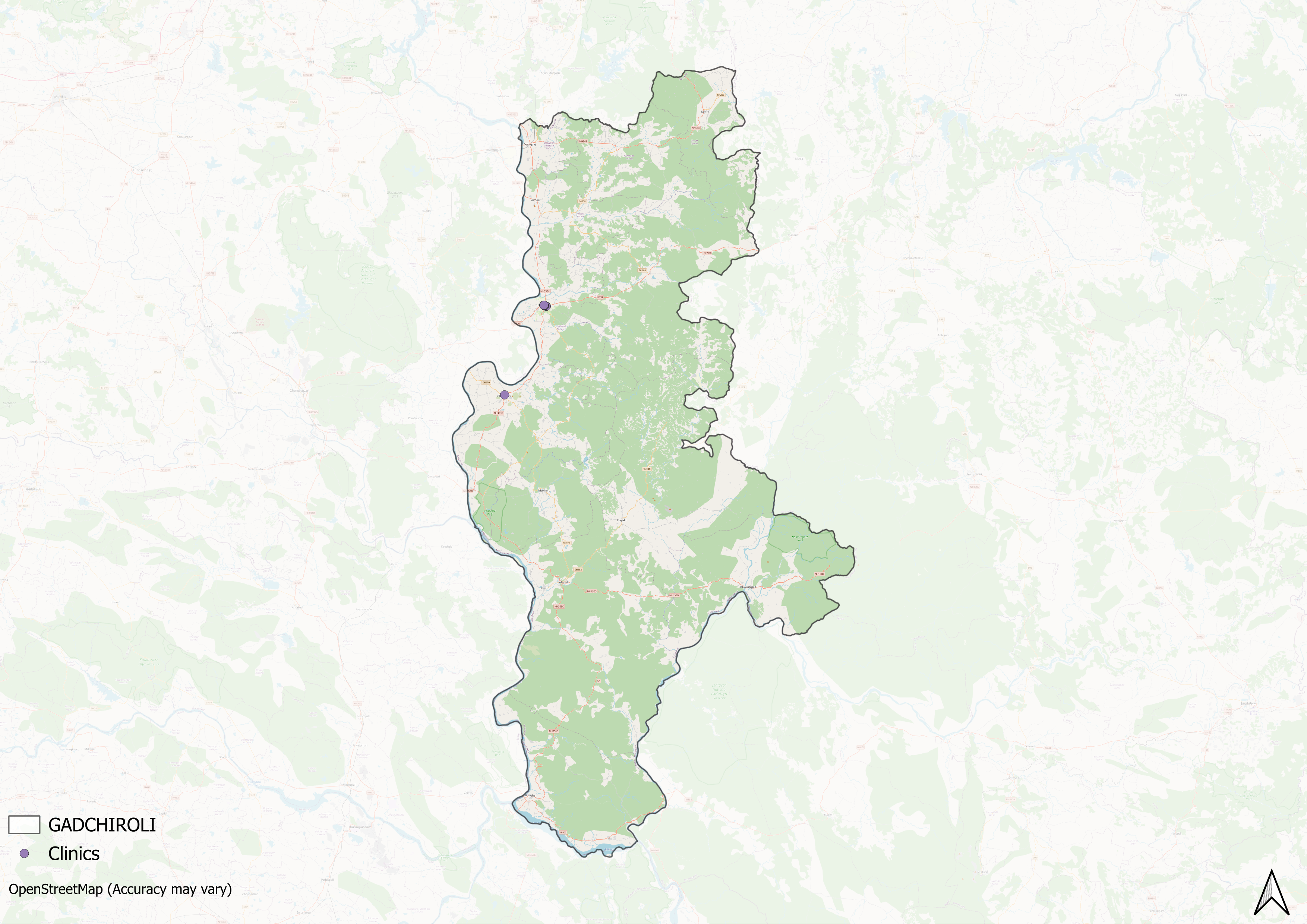
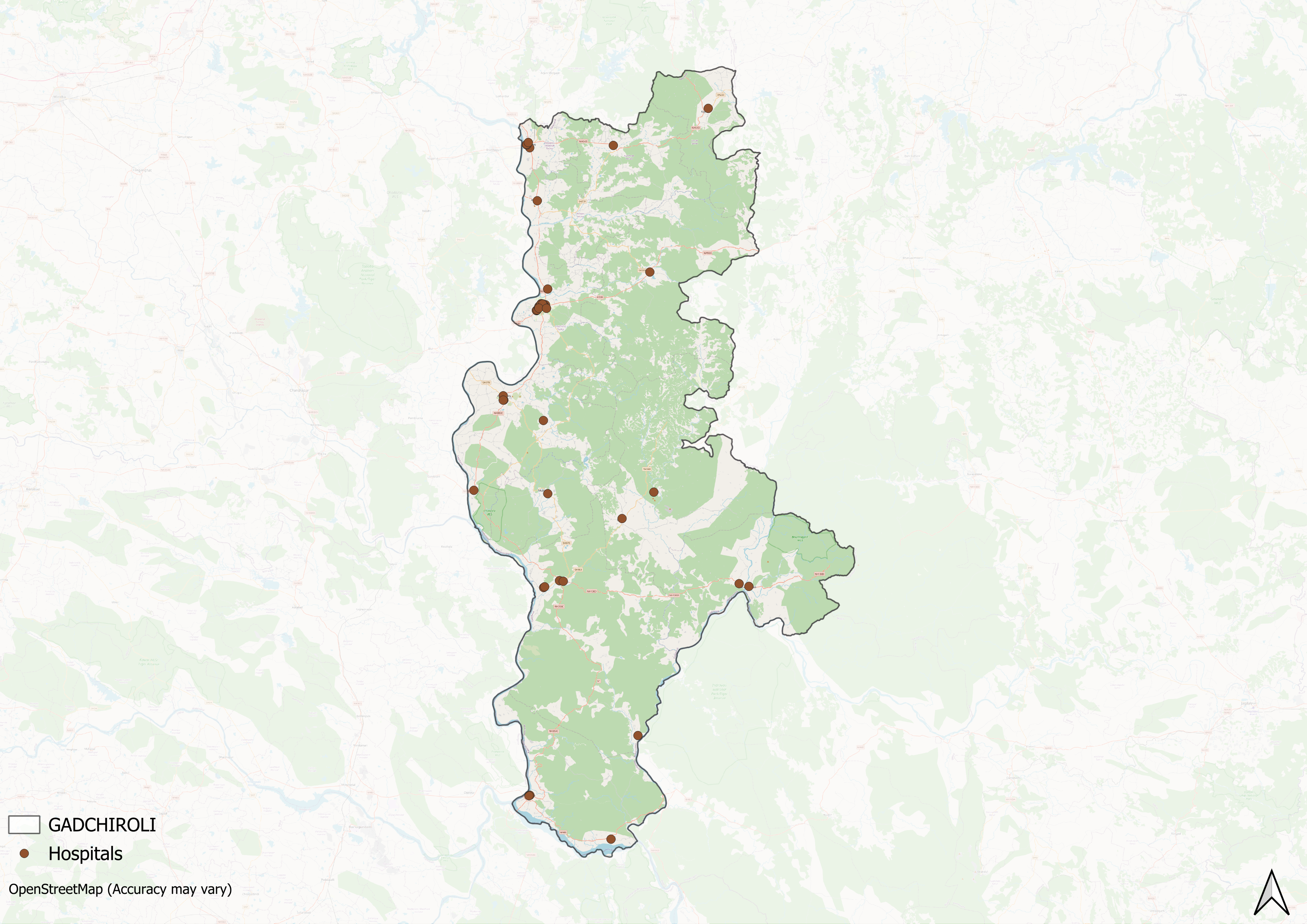
Supporting this structure is a network of Accredited Social Health Activists (ASHAs) who, as described by the National Health Mission, serve as “an interface between the community and the public health system.” Over time, this multi-layered healthcare model has been continuously shaped and refined by national healthcare policies and reforms to improve universal health coverage across regions.
Historically, Gadchiroli was part of the larger Chandrapur district before it became a separate district in 1982. Early medical services in the region were shaped by the public health system established during the colonial era. The Chandrapur district Gazetteer (1909) briefly mentions that the Chandrapur district then had 13 dispensaries and of them six were home to facilities at places now within Gadchiroli, namely Gadchiroli, Armori, Sironcha, Venkatapur, Ahiri, and Alapalli. These dispensaries were maintained through contributions from government funds, local bodies, and private donors, with midwives attached to some units.
Over the years, Gadchiroli’s public healthcare system has gradually expanded. According to National Health Mission reports from 2012, the district’s health infrastructure included one district hospital, a women’s hospital, 12 rural hospitals, and approximately 47 primary health centres (PHCs). Among the key government-run facilities are the Government General Hospital and the Government Child and Ladies Hospital, which continue to serve as important centres for public medical care.
Alongside this public network, private hospitals and clinics have also emerged, expanding healthcare options alongside the government network. Facilities such as City Hospital, it is said, increasingly attract patients from neighboring states like Telangana and Chhattisgarh, reflecting the growing demand for specialized care.
In recent years, local administration has taken steps to strengthen healthcare infrastructure. In 2021, it is reported that District Collector Deepak Singla led efforts to improve sanitation and basic amenities at government hospitals. Further, in 2024, Gadchiroli was selected as a pilot district for a new programme encouraging government hospitals to collaborate with private providers. This initiative aims to expand access to diagnostics and treatment in remote areas that have historically lacked advanced medical services.
Age Old Practices & Remedies
Historically, before the establishment of Western healthcare systems or the three-tiered medical infrastructure seen today, communities in Gadchiroli district relied on indigenous knowledge and traditional forms of medicine for their well-being. India has long been marked by a pluralistic medical tradition, and Gadchiroli is no exception. Among the systems with a historical presence in the region are Ayurveda and Unani, both of which continue to inform local health practices. In many parts of the district, locals say, particularly in the Bhamragad and Korchi blocks, residents continue to use herbal and traditional remedies.
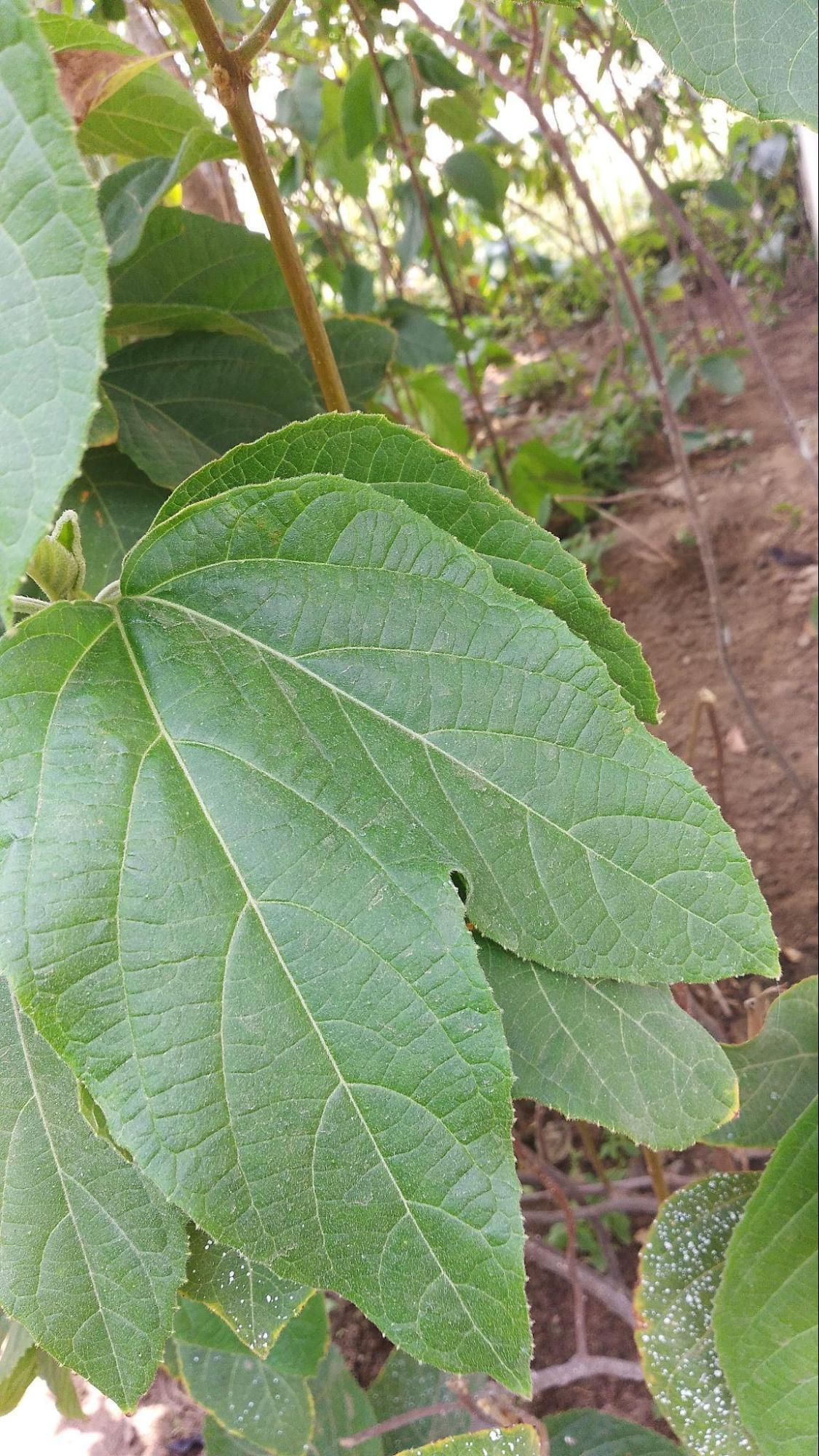
One such plant is Khandu Chakka (Ehretia laevis Roxb.), whose leaves are commonly used for treating wounds. The plant is also believed to possess antiviral properties, enhance immunity, prevent blood clotting, and inhibit viral mutations.
The root of the Gongla plant is traditionally used in the treatment of jaundice, particularly in recent cases where it is said to expedite recovery. The plant also carries spiritual significance. Its flowers are often placed on the body of Bhagwan Shiv or the Shivling during worship. Locals observe a ritual while digging up its roots, which involves performing a puja; failing to do so is believed to result in the sensation of snakes whispering around the person.
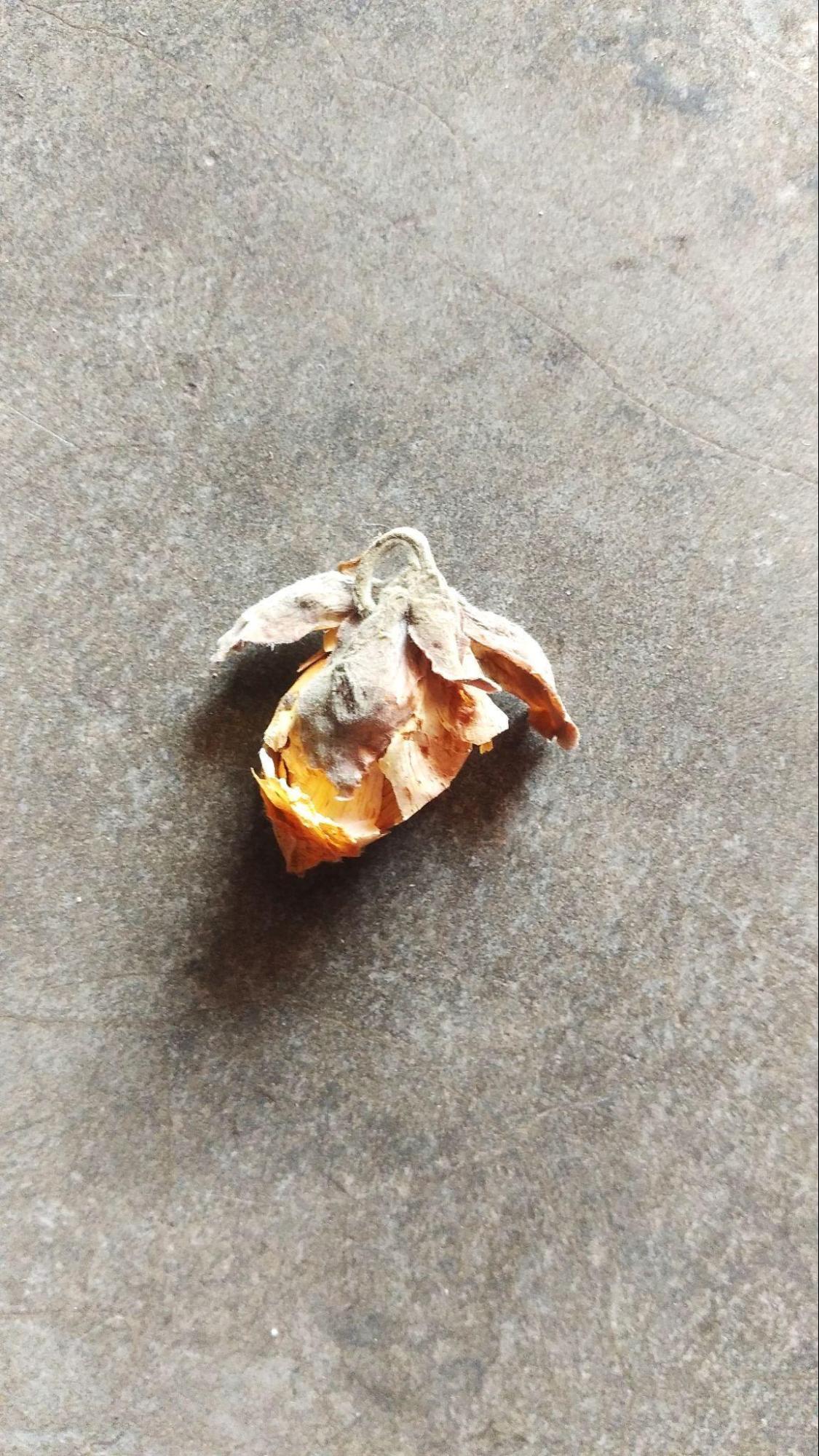
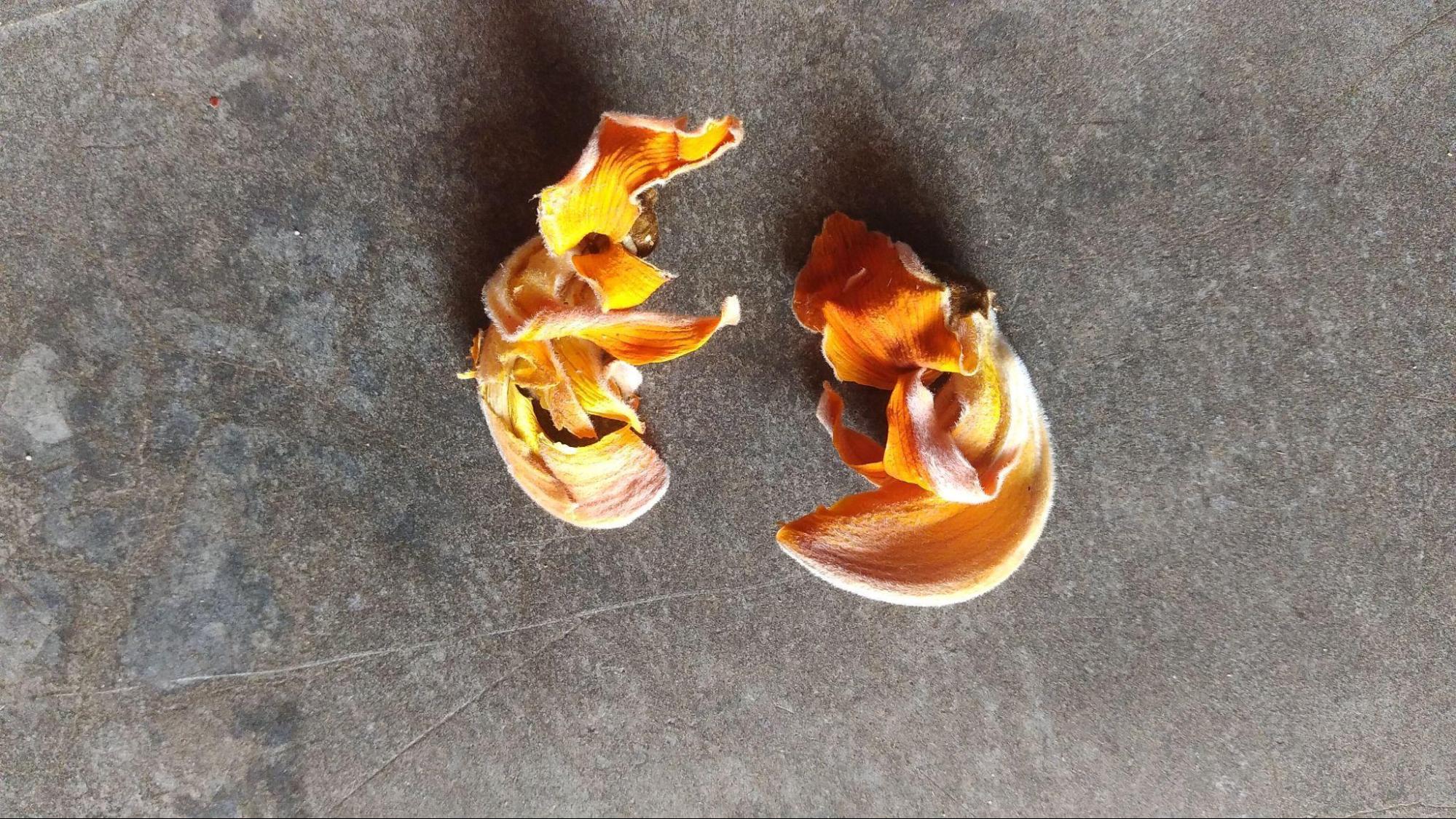
During the summer months, Palash flowers are used to reduce excess body heat (Jhaval). The dried flowers are ground into a powder, which is then applied to the wrists and forehead. The powder is also mixed with cold water and consumed to help cool the body.
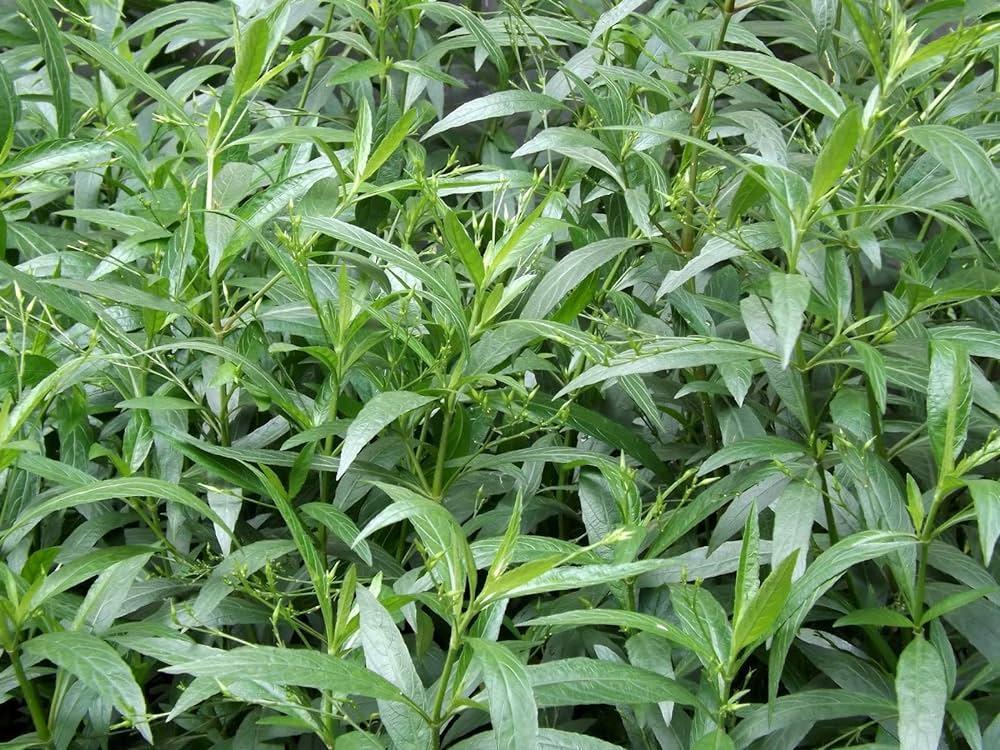
Bhuineem is used to lower fever. An extract made from its leaves is administered to patients, and it is considered particularly effective in cases of typhoid, where it is believed to promote faster recovery.
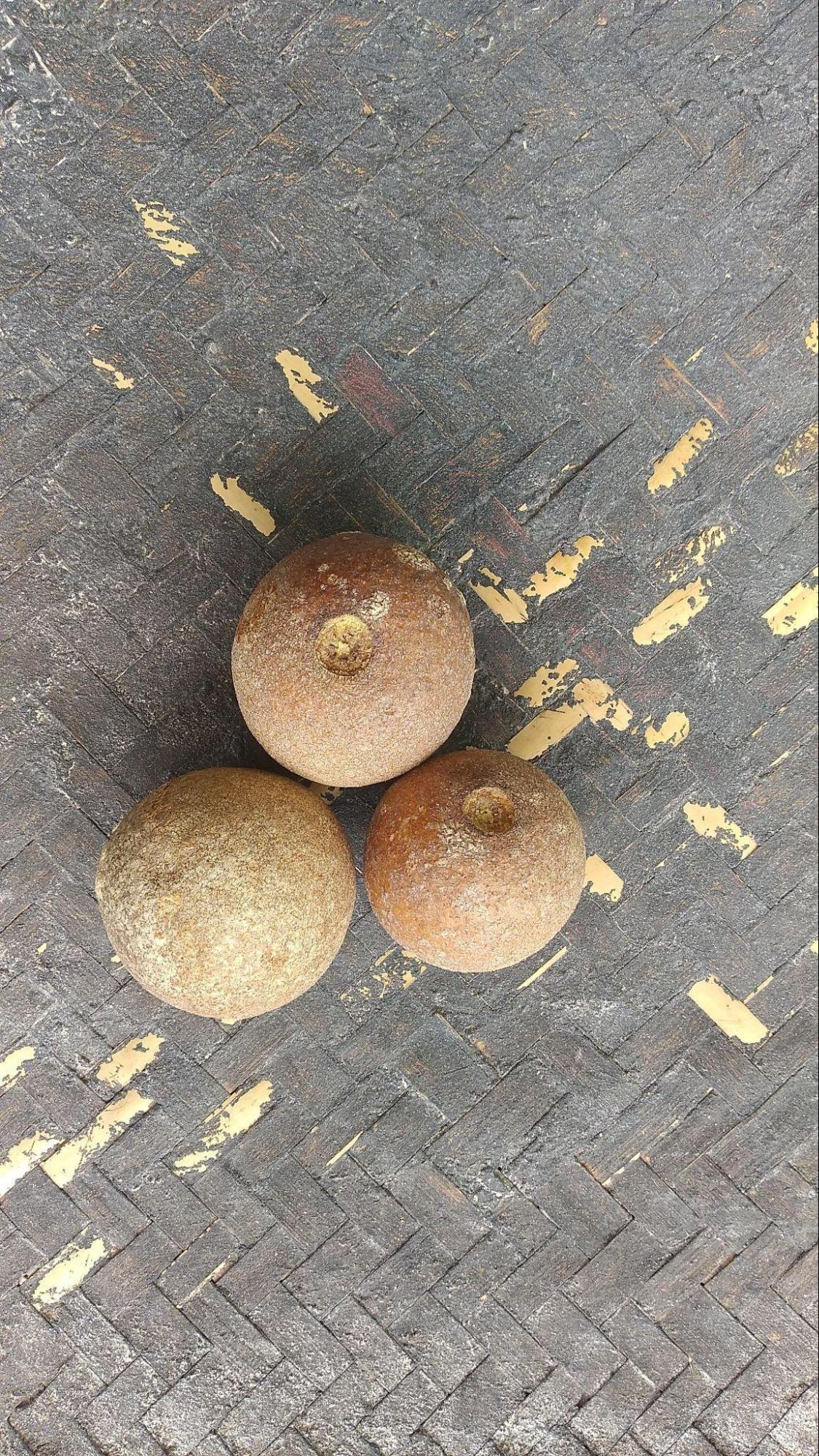
Kavath (Limonia acidissima) is another plant commonly used for its anti-inflammatory and cooling properties. It is prepared as a kadha by combining the fruit with salt, water, jeera powder, sugar, and other ingredients.
NGOS & Initiatives
The determinants of health and health outcomes, as the World Health Organization (WHO) elaborates, are not solely shaped by more than just medical factors and healthcare services. The organization uses the term “social determinants of health (SDH)” to refer to the “non-medical factors that influence health outcomes.” These non-medical factors can be sanitation, nutrition, community well-being, or, as the WHO outlines, “income and social protection,” “food security,” access to quality healthcare, and more.
While there have been ongoing efforts to strengthen Gadchiroli district’s healthcare infrastructure, certain areas still face challenges, particularly in addressing these broader health determinants. In response, non-governmental organizations have emerged as vital partners, working alongside public health systems to develop innovative, grassroots-level approaches that bridge these gaps.
SEARCH
The Society for Education, Action, and Research in Community Health (SEARCH) was established in 1986 by Dr. Abhay Bang and Dr. Rani Bang. Based in Gadchiroli, SEARCH operates in over 150 villages and has gained national and international recognition for its community-based healthcare interventions.
One of its most influential contributions is the development of the Home-Based Newborn Care (HBNC) model, designed to reduce infant mortality in rural and tribal areas. The model involves training local women to provide neonatal care at home, addressing issues such as malnutrition and limited access to formal medical facilities. SEARCH's initiatives have been considered to be especially significant given the district’s challenges, which include poor infrastructure, high poverty levels, superstitions, and conflict-related disruptions.
Samajbandh
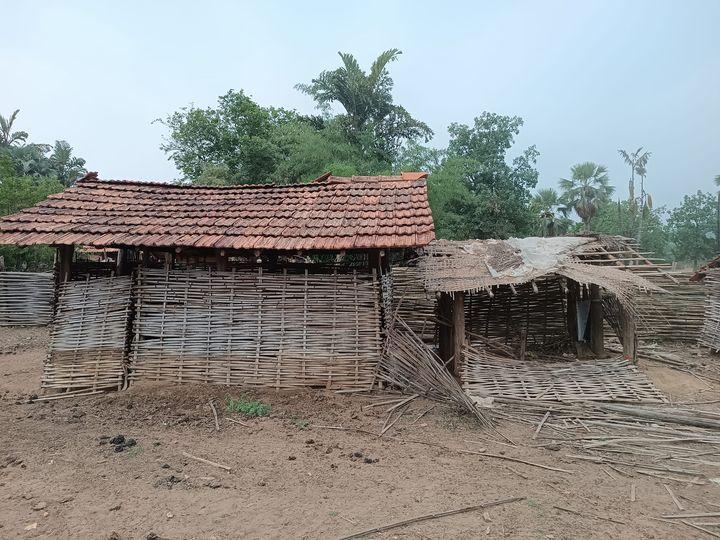
Samajbandh is a youth-led organization founded in 2016, focused on menstrual health, women’s hygiene, sex education, and gender equality. The organization operates primarily in rural and tribal regions of Maharashtra, including Gadchiroli district. It has sought to address the practice of isolating menstruating women in structures known locally as Kurmaghara, which are often makeshift shelters located near cattle sheds or in open courtyards. These shelters are typically used during the monsoon season, when sleeping outside is not possible, and are often lacking in basic amenities.
Through its initiative titled Satyache Prayog, Samajbandh has conducted awareness campaigns in areas such as Bhamragarh, engaging both women and men in discussions on menstrual dignity and health. The organization advocates for temporary improvements in shelter infrastructure—including the provision of light, water, bedding, and secure roofing—aimed at improving the safety and comfort of menstruating women.
Graphs
Please Note
- Some line graphs may start a few years before the data begins. We are fixing this.
- All data comes in financial years, but is graphed below in calendar years (2015 in our graph means FY 2015-16).
- The District Statistical Abstracts are in Marathi. Translations were done carefully, but some titles or details may differ. There may be some data entry errors. Please report any issues you find.
- Sometimes districts without data may show empty graphs. We've removed them but let us know if any remain.
- Some graphs may not render correctly. A hard refresh (Ctrl/Command +Shift +R) usually fixes this.
Healthcare Facilities and Services
A. Public and Govt-Aided Medical Facilities
Loading chart data...
B. Private Healthcare Facilities
Loading chart data...
C. Approved vs Working Anganwadi
Loading chart data...
D. Anganwadi Building Types
Loading chart data...
E. Anganwadi Workers
Loading chart data...
F. Patients in In-Patients Department
Loading chart data...
G. Patients in Outpatients Department
Loading chart data...
H. Outpatient-to-Inpatient Ratio
Loading chart data...
I. Patients Treated in Public Facilities
Loading chart data...
J. Operations Conducted
Loading chart data...
K. Hysterectomies Performed
Loading chart data...
L. Share of Households with Access to Health Amenities
Loading chart data...
Morbidity and Mortality
A. Reported Deaths
Loading chart data...
B. Cause of Death
Loading chart data...
C. Reported Child and Infant Deaths
Loading chart data...
D. Reported Infant Deaths
Loading chart data...
E. Select Causes of Infant Death
Loading chart data...
F. Number of Children Diseased
Loading chart data...
G. Population with High Blood Sugar
Loading chart data...
H. Population with Very High Blood Sugar
Loading chart data...
I. Population with Mildly Elevated Blood Pressure
Loading chart data...
J. Population with Moderately or Severely High Hypertension
Loading chart data...
K. Women Examined for Cancer
Loading chart data...
L. Alcohol and Tobacco Consumption
Loading chart data...
Maternal and Newborn Health
A. Reported Deliveries
Loading chart data...
B. Institutional Births: Public vs Private
Loading chart data...
C. Home Births: Skilled vs Non-Skilled Attendants
Loading chart data...
D. Live Birth Rate
Loading chart data...
E. Still Birth Rate
Loading chart data...
F. Maternal Deaths
Loading chart data...
G. Registered Births
Loading chart data...
H. C-section Deliveries: Public vs Private
Loading chart data...
I. Institutional Deliveries through C-Section
Loading chart data...
J. Deliveries through C-Section: Public vs Private Facilities
Loading chart data...
K. Reported Abortions
Loading chart data...
L. Medical Terminations of Pregnancy: Public vs Private
Loading chart data...
M. MTPs in Public Institutions before and after 12 Weeks
Loading chart data...
N. Average Out of Pocket Expenditure per Delivery in Public Health Facilities
Loading chart data...
O. Registrations for Antenatal Care
Loading chart data...
P. Antenatal Care Registrations Done in First Trimester
Loading chart data...
Q. Iron Folic Acid Consumption Among Pregnant Women
Loading chart data...
R. Access to Postnatal Care from Health Personnel Within 2 Days of Delivery
Loading chart data...
S. Children Breastfed within One Hour of Birth
Loading chart data...
T. Children (6-23 months) Receiving an Adequate Diet
Loading chart data...
U. Sex Ratio at Birth
Loading chart data...
V. Births Registered with Civil Authority
Loading chart data...
W. Institutional Deliveries through C-section
Loading chart data...
X. C-section Deliveries: Public vs Private
Loading chart data...
Family Planning
A. Population Using Family Planning Methods
Loading chart data...
B. Usage Rate of Select Family Planning Methods
Loading chart data...
C. Sterilizations Conducted (Public vs Private Facilities)
Loading chart data...
D. Vasectomies
Loading chart data...
E. Tubectomies
Loading chart data...
F. Contraceptives Distributed
Loading chart data...
G. IUD Insertions: Public vs Private
Loading chart data...
H. Female Sterilization Rate
Loading chart data...
I. Women’s Unmet Need for Family Planning
Loading chart data...
J. Fertile Couples in Family Welfare Programs
Loading chart data...
K. Family Welfare Centers
Loading chart data...
L. Progress of Family Welfare Programs
Loading chart data...
Immunization
A. Vaccinations under the Maternal and Childcare Program
Loading chart data...
B. Infants Given the Oral Polio Vaccine
Loading chart data...
C. Infants Given the Bacillus Calmette Guerin (BCG) Vaccine
Loading chart data...
D. Infants Given Hepatitis Vaccine (Birth Dose)
Loading chart data...
E. Infants Given the Pentavalent Vaccines
Loading chart data...
F. Infants Given the Measles or Measles Rubella Vaccines
Loading chart data...
G. Infants Given the Rotavirus Vaccines
Loading chart data...
H. Fully Immunized Children
Loading chart data...
I. Adverse Effects of Immunization
Loading chart data...
J. Percentage of Children Fully Immunized
Loading chart data...
K. Vaccination Rate (Children Aged 12 to 23 months)
Loading chart data...
L. Children Primarily Vaccinated in (Public vs Private Health Facilities)
Loading chart data...
Nutrition
A. Children with Nutritional Deficits or Excess
Loading chart data...
B. Population Overweight or Obese
Loading chart data...
C. Population with Low BMI
Loading chart data...
D. Prevalence of Anaemia
Loading chart data...
E. Moderately Anaemic Women
Loading chart data...
F. Women with Severe Anaemia being Treated at an Institution
Loading chart data...
G. Malnourishment Among Infants in Anganwadis
Loading chart data...
Sources
George, Mathew. 2023. "The Real Purpose of the Medical College." The Hindu.https://www.thehindu.com/opinion/op-ed/the-r…
Goyal, Raghav. 2021. "Revamping Government Hospitals in Style." Indian Masterminds, India.https://indianmasterminds.com/features/chang…
Krystelle Dsouza. 2024. From Menstrual Exile to Death: What Drove Dr Rani Bang To Fight for Tribal Women’s Healthcare. The Better India.https://thebetterindia.com/369350/dr-abhay-b…
M Choksi, B. Patil et al. 2016. Health systems in India. Vol 36 (Suppl 3). Journal of Perinatology.https://pmc.ncbi.nlm.nih.gov/articles/PMC514…
Maharashtra State Gazetteers. 1972. Chandrapur District Gazetteer. Directorate of Government Printing, Stationery & Publications, Government of Maharashtra, Mumbai.
Munyi, P., & Jonas, M. 2013. "Protecting Traditional Knowledge and Traditional Medicines of Indigenous Peoples through Intellectual Property Rights: Issues, Challenges, and Strategies." Vol. 21, no. 2. African Journal of International and Comparative Law.https://www.jstor.org/stable/24675285
National Health Mission (NHM). "About Accredited Social Health Activist (ASHA)." National Health Mission, India.https://nhm.gov.in/index1.php?lang=1&level=1…
National Health Mission. 2012. Rural Health Training Centre Report: Maharashtra 2011–12. Ministry of Health and Family Welfare, Government of India.https://nhm.gov.in/images/pdf/nrhm-in-state/…
Russel V. ed. 1905. Central Provinces District Gazetteers: Chanda District. Pioneer Press, Allahabad.
Team NDTV. 2023. NGO Samajbandh Is Bringing Menstrual Hygiene And Awareness To Tribal And Rural Women. NDTV.https://special.ndtv.com/clothes-with-a-cons…
The Economic Times. 2024. "Maharashtra Government Hospitals Gear Up to Outsource Critical Services." The Economic Times, India.https://economictimes.indiatimes.com/industr…
World Health Organization (WHO). "Social Determinants of Health." World Health Organization.https://www.who.int/health-topics/social-det…
Last updated on 19 October 2026. Help us improve the information on this page by clicking on suggest edits or writing to us.